
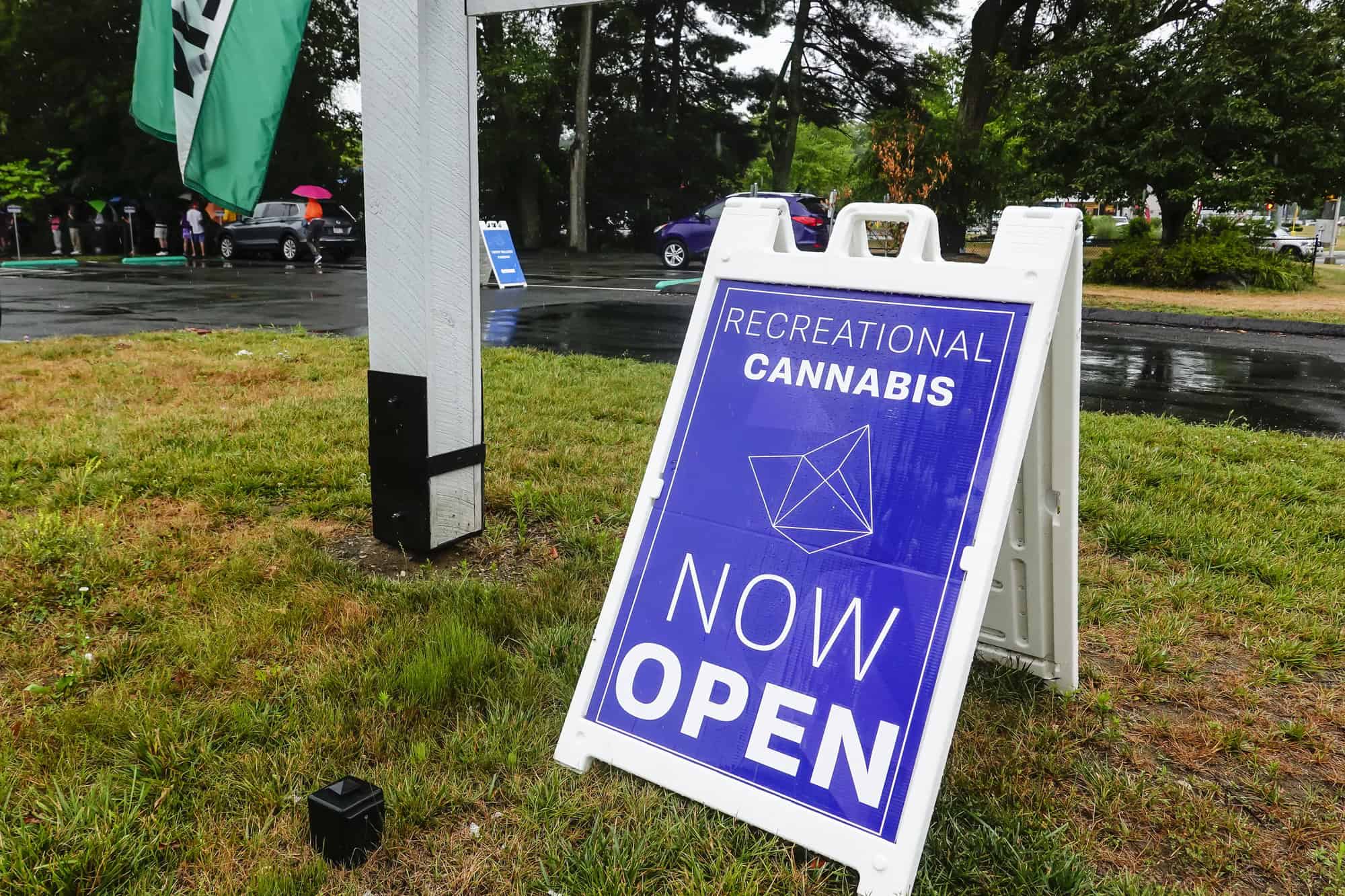
The United States Drug Enforcement Administration (DEA) is on the brink of a significant decision that could reshape the landscape of the marijuana industry worldwide. Nearly eight months after the Department of Health and Human Services (HHS) recommended rescheduling cannabis to the DEA, the organization is poised to act, following persistent pressure from the Biden administration.
This would decrease criminalization in every state and territory in the US, but it would still not lead to nationwide legality. However, it gives states leeway to decriminalize on their terms without risk of federal intervention. The dangers of marijuana, particularly high-potency marijuana, have yet to be explored or studied.
The Shift in Scheduling: What’s Happening?
Reports from the Associated Press indicate that the DEA is gearing up to recommend moving cannabis from a Schedule I substance to a Schedule III to the White House Office of Management and Budget (OMB). This move signifies a departure from the stringent categorization that has long defined cannabis under federal law.
Xochitl Hinojosa, the director of public affairs for the Justice Department, confirmed that the Attorney General had circulated a proposal to reclassify marijuana. However, despite this significant step, the process is far from immediate implementation.
The Road to Implementation
While the proposal gains traction within the Justice Department, it still faces procedural hurdles. Following publication in the Federal Register, a 60-day public comment period will ensue, with potential judicial review and hearings before final approval. Thus, the tangible effects of this decision may take months to materialize.
Implications for the Law: What Changes Await?
This marks the first federal statement regarding marijuana’s therapeutic potential and the most significant shift in US federal cannabis law in half a century. However, while cannabis will remain federally illegal, its reclassification positions it alongside “less harmful” drugs.
The reclassification paves the way for enhanced clinical research on cannabis, potentially accelerating medical advancements.
Marijuana Is Still A Drug, And It May Be More Harmful Than Ever
While marijuana is becoming a more common and socially acceptable drug, it’s still a drug. And with all of the legalization and money to be made in the trade, there are many highly potent products with THC in them. Extracts and vape cartridges in some medical shops boast between 36% and 80% THC, an enormous jump from the 7% strains of the 1990s. Users sometimes describe the higher potency strains as more of a psychedelic or hallucinogen.
Studies over the years have repeatedly linked higher potency THC products to increased levels of addiction and psychosis among users, according to ABC News.
While the DEA’s potential decision to reschedule cannabis marks a watershed moment for the companies making money off of marijuana, there is a definite need for more research into high levels of THC and its effect on the brain. As more people smoke higher-potency marijuana or vape it, more effects are coming out.
Some Effects Of Higher-Potency Marijuana
High-strength marijuana, particularly in the form of vapes containing over 50% THC (tetrahydrocannabinol), can pose several risks to mental health and overall well-being. Here are some potential dangers associated with consuming such potent cannabis products:
- Increased risk of addiction: High THC levels can lead to rapid development of tolerance, dependence, and addiction. Regular use of high-strength marijuana can rewire the brain’s reward system, making it difficult for people to quit despite experiencing negative consequences.
- Psychological effects: THC is the psychoactive compound in marijuana responsible for its mind-altering effects. Consuming high concentrations of THC can intensify these effects, leading to symptoms such as paranoia, anxiety, panic attacks, and hallucinations, especially in people predisposed to mental health disorders.
- Impaired cognitive function: Chronic use of high-strength marijuana, especially during adolescence when the brain is still developing, can impair cognitive function and memory. Studies have shown that heavy THC exposure in adolescence is associated with decreased IQ, impaired executive function, and memory deficits.
- Increased risk of mental health disorders: There is evidence to suggest that high-potency marijuana may increase the risk of developing mental health disorders such as schizophrenia, particularly in people with a genetic predisposition or a family history of the illness. THC can exacerbate symptoms in people already diagnosed with psychotic disorders.
- Respiratory issues: While vaping is often perceived as a safer alternative to smoking, vaping high-strength THC concentrates can still pose risks to respiratory health. Some studies have linked vaping to lung injury and respiratory problems, although more research is needed to understand the long-term effects fully.
- Potential for overdosing: High-potency marijuana products increase the risk of THC overdose, which can manifest as extreme anxiety, confusion, hallucinations, rapid heart rate, and, in severe cases, psychosis or cardiovascular complications. Although THC overdose is not fatal, it can be distressing and may require medical intervention.
High-strength marijuana, particularly in the form of vapes containing high concentrations of THC, can have significant adverse effects on mental health, cognitive function, and overall well-being. It’s important for people to be aware of these risks and to consume cannabis products responsibly, particularly considering the increasing availability of potent concentrates in the market.
Come Aboard With Us At SOARR
Join us in the Society of Addiction Recovery Residences (SOARR), a collective fueled by a deep dedication to ensuring accountability and excellence in recovery. Our coalition consists of sober living experts and advocates, united in the pursuit of establishing and upholding standards with honor and integrity, all for the betterment of those in our care. Explore how you can be part of our mission.
At SOARR, our residents’ welfare takes precedence as we strive to elevate their living standards and enrich their lives. Discover more about the vibrant communities through our directory.